

 Download PDF
Market Overview
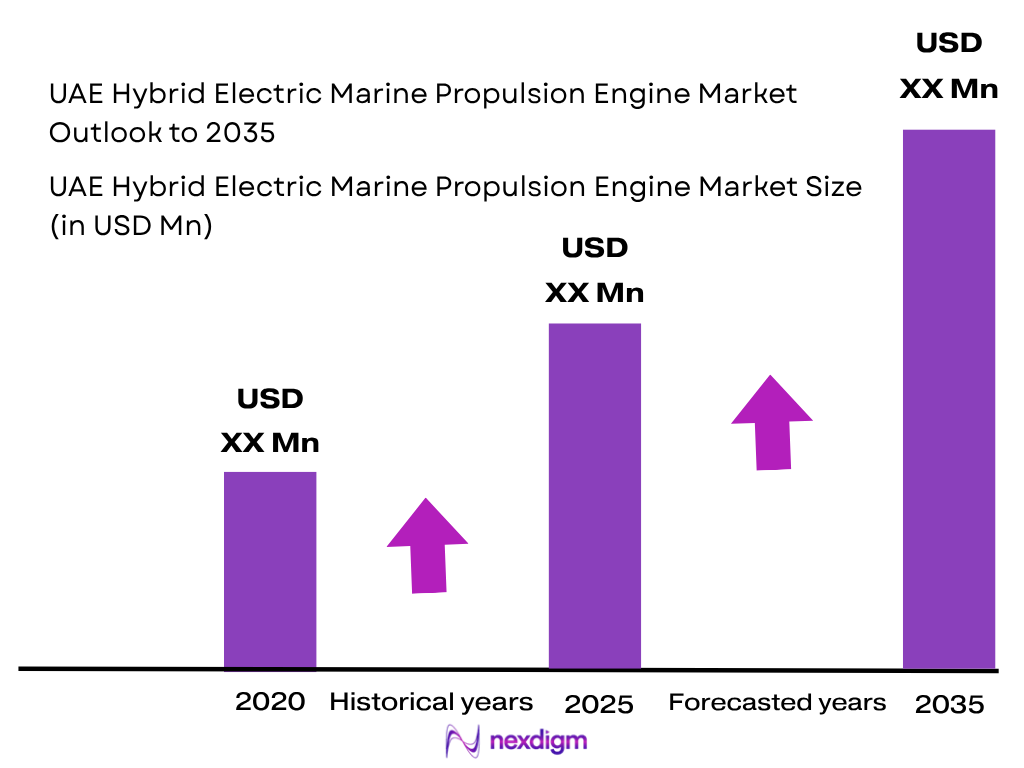
The UAE Hybrid Electric Marine Propulsion Engine Market is valued at approximately USD ~ million in 2024, based on assessment of marine propulsion equipment revenues, vessel electrification projects, hybrid retrofit installations, and demand from commercial and recreational marine segments. The market size is influenced by increasing adoption of fuel-efficient propulsion technologies, expansion of luxury yacht fleets, rising investments in sustainable maritime infrastructure, and growing requirements for reducing marine fuel consumption and emissions. Historical analysis indicates the market was valued at approximately USD ~ million in 2023, supported by hybrid propulsion adoption among yacht manufacturers, marine operators, and government-supported maritime sustainability initiatives.
The UAE Hybrid Electric Marine Propulsion Engine Market is concentrated around major maritime hubs including Dubai, Abu Dhabi, and Sharjah, driven by their developed marine infrastructure, high concentration of luxury yacht ownership, commercial marine activities, and government-led maritime modernization programs. Dubai acts as a key center due to its extensive marina network, yacht tourism ecosystem, and shipbuilding activities, while Abu Dhabi benefits from offshore marine operations, government vessel requirements, and strategic port infrastructure. Sharjah contributes through ship repair facilities, marine manufacturing capabilities, and regional maritime services supporting hybrid propulsion deployment.
Market Segmentation
By Vessel Type
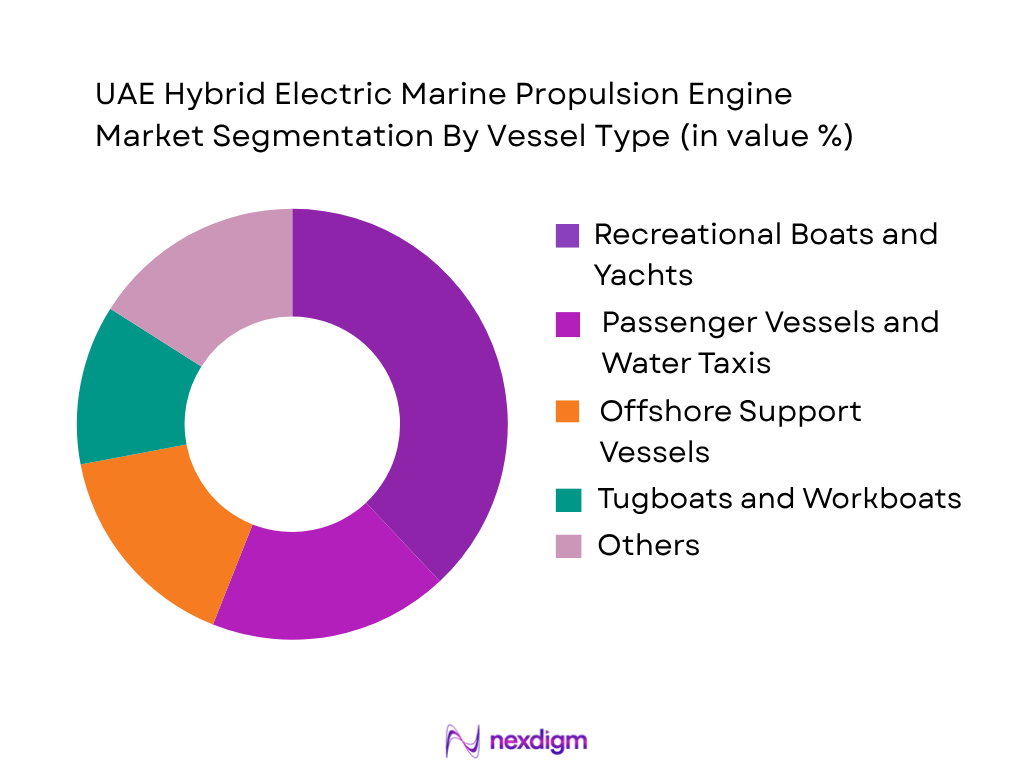
The UAE Hybrid Electric Marine Propulsion Engine Market is segmented by vessel type into recreational boats and yachts, passenger vessels, ferries and water taxis, offshore support vessels, tugboats and workboats, fishing vessels, and defense marine vessels. Among these, recreational boats and yachts account for the dominant market share due to the UAE’s strong luxury marine tourism ecosystem, increasing yacht ownership, and demand for premium propulsion systems offering silent cruising, improved efficiency, and reduced operational costs. The presence of high-value yacht manufacturers, charter operators, and marina developments in Dubai and Abu Dhabi supports greater adoption of hybrid propulsion technologies. Additionally, yacht owners increasingly prioritize environmentally sustainable solutions without compromising vessel performance, encouraging integration of electric motors, lithium-ion battery systems, and intelligent energy management solutions.
By Propulsion System Type
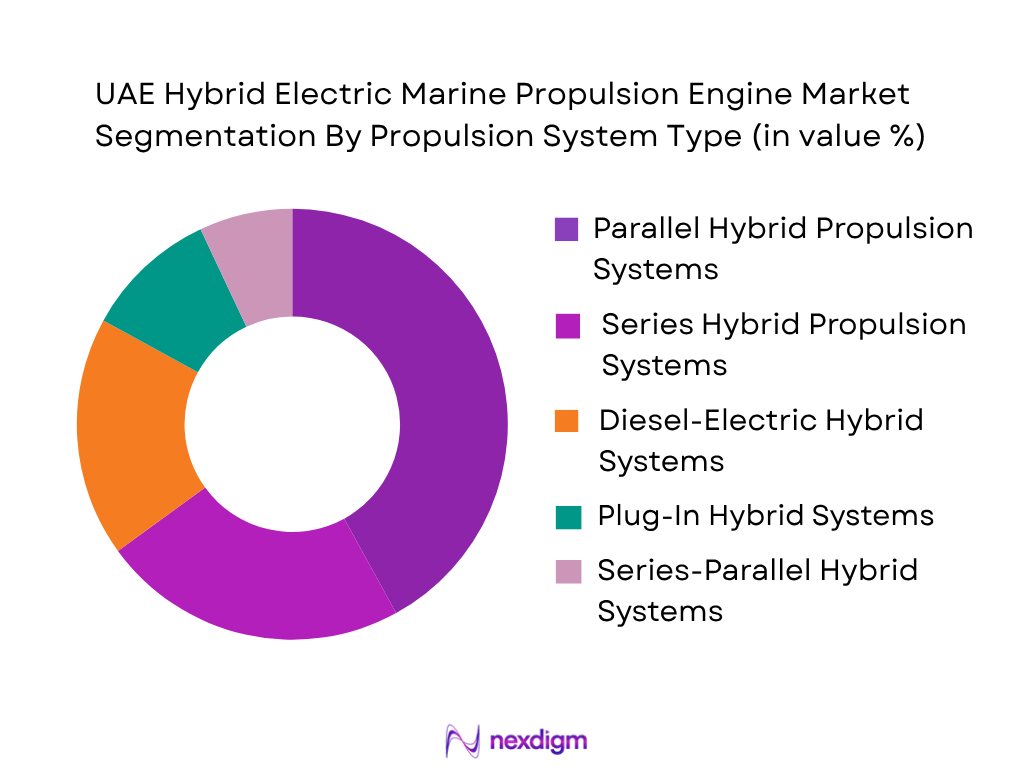
The UAE Hybrid Electric Marine Propulsion Engine Market is segmented by propulsion system type into parallel hybrid systems, series hybrid systems, series-parallel hybrid systems, plug-in hybrid propulsion systems, and diesel-electric hybrid systems. Among these, parallel hybrid propulsion systems hold the leading position due to their compatibility with existing diesel propulsion architecture, lower conversion complexity, and suitability for vessel owners seeking retrofit solutions. Parallel hybrid systems allow vessels to combine conventional marine engines with electric motors, enabling improved fuel efficiency during low-speed operations and reducing emissions during port activities. Their flexibility across yacht, passenger vessel, and commercial marine applications has accelerated adoption in the UAE market, where many operators prefer upgrading existing fleets rather than complete vessel replacement.
Competitive Landscape
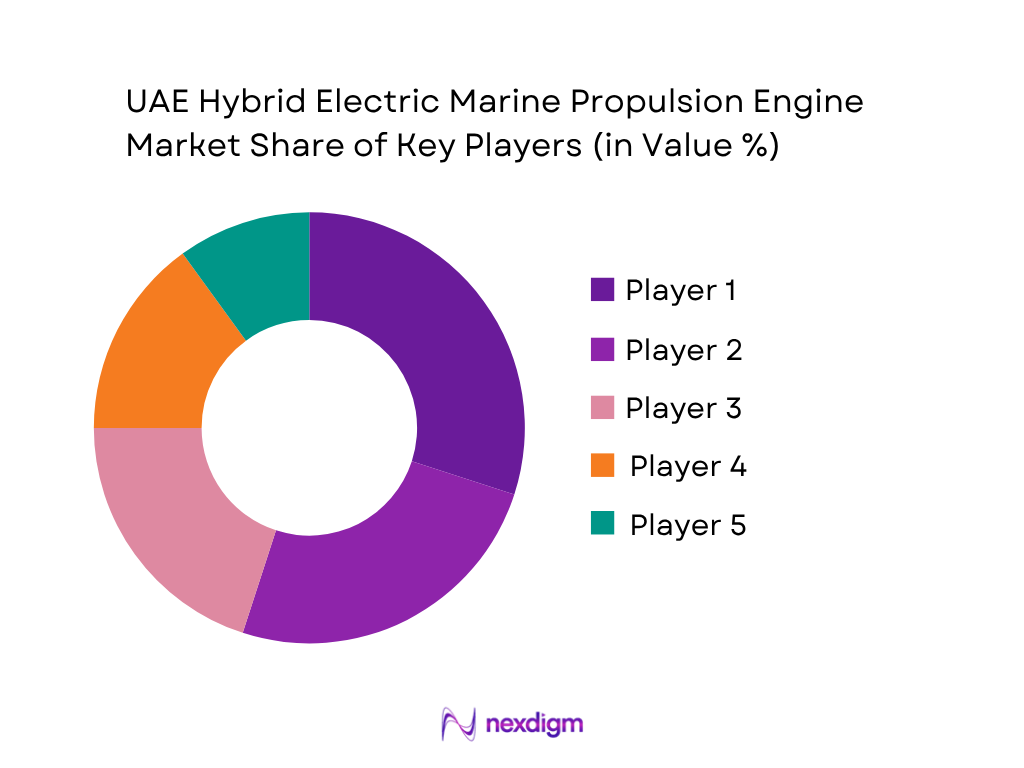
The UAE Hybrid Electric Marine Propulsion Engine Market is characterized by the presence of global marine propulsion manufacturers, electrification technology providers, and specialized hybrid marine solution companies. The competitive environment includes companies offering integrated propulsion packages, marine battery solutions, power management systems, and retrofit technologies. Major players compete through technological innovation, vessel compatibility, regional service networks, strategic partnerships with shipyards, and customized propulsion solutions for yachts, commercial vessels, and government marine fleets.
| Company | Establishment Year | Headquarters | Key Market Parameters |
| Volvo Penta | 1907 | Gothenburg, Sweden | ~ |
| Torqeedo | 2005 | Gilching, Germany | ~ |
| ABB | 1988 | Zurich, Switzerland | ~ |
| Yanmar Holdings | 1912 | Osaka, Japan | ~ |
| MAN Energy Solutions | 1758 | Augsburg, Germany | ~ |
UAE Hybrid Electric Marine Propulsion Engine Market Analysis
Growth Drivers
Increasing Maritime Trade Activity and Port Infrastructure Expansion
The UAE Hybrid Electric Marine Propulsion Engine Market is supported by the country’s expanding maritime trade ecosystem, which increases demand for fuel-efficient and technologically advanced propulsion systems across commercial vessels, port service boats, and offshore marine applications. The UAE recorded merchandise trade activity supported by strong logistics infrastructure, with the World Bank reporting that the UAE’s GDP reached approximately USD 537 billion in current prices in 2024, reflecting continued economic expansion and investment capacity across transportation sectors. Maritime activity is further strengthened by major port developments, with the UAE handling significant international cargo volumes through ports such as Jebel Ali, Abu Dhabi Port, and Khalifa Port. According to the UAE Ministry of Energy and Infrastructure, the country operates more than 20 commercial ports and terminals supporting shipping, logistics, offshore operations, and marine services. The growth of port automation, coastal transportation, and offshore activities increases the requirement for efficient propulsion technologies that reduce fuel dependency and operational emissions. Hybrid electric marine propulsion systems are gaining relevance as vessel operators seek solutions combining diesel power with electric assistance for improved efficiency during low-speed operations, maneuvering, and port activities.
Expansion of Sustainable Maritime Initiatives and Clean Energy Adoption
The UAE Hybrid Electric Marine Propulsion Engine Market is benefiting from national sustainability initiatives focused on reducing emissions from transportation and industrial sectors. The UAE’s energy transition strategy is encouraging adoption of cleaner technologies across marine transportation, including hybrid propulsion systems, electric vessels, and energy-efficient marine equipment. The International Energy Agency reported that the UAE generated approximately 8 terawatt-hours of electricity from renewable sources in 2024, reflecting increasing integration of clean energy into the national energy ecosystem. The UAE Ministry of Energy and Infrastructure has also emphasized maritime sustainability through initiatives supporting greener shipping practices, emission reduction, and improved vessel efficiency. Additionally, the UAE’s installed renewable energy capacity exceeded 6 GW, according to the International Renewable Energy Agency, strengthening the ecosystem required for future marine electrification. These developments support hybrid propulsion adoption because marine operators can increasingly integrate electric propulsion components with cleaner electricity sources. The increasing focus on sustainable ports, reduced marine emissions, and environmentally responsible yacht and commercial vessel operations is encouraging shipbuilders and fleet operators to evaluate hybrid electric propulsion technologies for new vessels and retrofit applications.
Market Challenges
Limited Marine Charging Infrastructure and Battery Ecosystem Development
The UAE Hybrid Electric Marine Propulsion Engine Market faces challenges due to the developing stage of marine-specific charging infrastructure and battery support networks. Although the UAE has advanced electric vehicle charging infrastructure, dedicated marine charging facilities remain limited across ports and marinas, creating operational concerns for fully electric and hybrid vessels requiring reliable energy access. According to the UAE Ministry of Energy and Infrastructure, the country’s maritime sector includes more than 25,000 registered vessels, ranging from recreational boats to commercial marine assets, creating a large potential requirement for standardized charging and maintenance infrastructure. However, marine electrification requires specialized high-capacity charging systems, safety protocols, and battery management facilities that differ from land-based applications. Battery technology also creates operational complexity due to marine environmental conditions, including high temperatures, humidity, and saltwater exposure. The UAE recorded average annual temperatures above 27°C according to World Bank climate indicators, increasing thermal management requirements for marine battery systems. These infrastructure and environmental factors increase technology adoption complexity, particularly for smaller marine operators and retrofit customers seeking hybrid propulsion solutions.
High Technical Complexity and Dependence on Specialized Marine Engineering Capabilities
The UAE Hybrid Electric Marine Propulsion Engine Market experiences challenges related to system integration complexity, technical expertise requirements, and limited availability of specialized hybrid marine engineering capabilities. Hybrid propulsion systems require coordination between conventional marine engines, electric motors, battery storage systems, power electronics, and vessel control software, making installation and maintenance more complex compared with traditional propulsion systems. The UAE maritime sector includes diverse vessel categories, with the Federal Transport Authority – Land and Maritime overseeing regulations for commercial vessels, requiring compliance with technical and safety standards. The country’s offshore and marine industries also operate in demanding climatic conditions, with temperatures frequently exceeding 40°C during summer months, increasing requirements for robust cooling systems and equipment reliability. According to the International Labour Organization, the UAE’s workforce exceeded 6 million employed individuals in recent years, but specialized marine electrification skills remain a niche technical area requiring additional training and certification. These engineering requirements increase adoption barriers for vessel owners considering hybrid conversion projects, particularly where existing vessels require significant modifications to accommodate electric propulsion components.
Market Opportunities
Growth of Luxury Yacht Industry and Premium Recreational Marine Applications
The UAE Hybrid Electric Marine Propulsion Engine Market has significant opportunities from the expansion of luxury yacht ownership, marine tourism, and premium recreational boating activities. The UAE is one of the leading luxury marine destinations in the Middle East due to extensive marina infrastructure, coastal tourism development, and high concentration of premium vessels. Dubai Maritime City Authority and local maritime organizations continue to support development of yacht services, marina facilities, and recreational marine activities. According to the UAE Ministry of Economy, tourism contributed substantially to national economic activity, with international visitor numbers exceeding 25 million during recent reporting periods, supporting demand for marine leisure services. Dubai alone operates multiple large-scale marina developments supporting yacht berthing, maintenance, and charter activities. The increasing preference among yacht owners for silent cruising, reduced emissions, and advanced onboard technology creates opportunities for hybrid propulsion suppliers. Hybrid systems provide premium vessels with improved maneuverability, lower fuel consumption during cruising, and enhanced passenger experience through reduced noise and vibration. The UAE’s strong luxury tourism ecosystem provides a favorable environment for adoption of advanced marine propulsion technologies among yacht manufacturers, charter operators, and private vessel owners.
Development of Green Ports and Sustainable Marine Transportation Infrastructure
The UAE Hybrid Electric Marine Propulsion Engine Market is positioned to benefit from increasing investments in sustainable port infrastructure and environmentally efficient marine transportation systems. The UAE has been developing smart and sustainable port ecosystems through investments in automation, energy efficiency, and low-emission operations. According to the UAE Ministry of Energy and Infrastructure, the country’s maritime sector plays a critical role in national logistics networks, supported by strategic ports including Jebel Ali, Khalifa Port, and Fujairah Port. The World Bank reported that the UAE’s logistics performance continues to benefit from advanced transport infrastructure and international trade connectivity. Port operators are increasingly focusing on reducing emissions from harbor vessels, tugboats, pilot boats, and service crafts, creating opportunities for hybrid propulsion adoption. Hybrid marine engines are suitable for these applications because vessels operating near ports frequently experience variable load conditions where electric assistance can improve efficiency. The combination of maritime sustainability programs, port modernization initiatives, and increasing attention toward cleaner transportation solutions creates opportunities for hybrid propulsion manufacturers and marine technology providers operating in the UAE.
Future Outlook
The UAE Hybrid Electric Marine Propulsion Engine Market is expected to experience significant expansion during the forecast period, supported by increasing maritime sustainability initiatives, growing demand for low-emission vessels, and continuous advancement in battery and electric propulsion technologies. The transition toward cleaner marine transportation, expansion of luxury yacht applications, and increasing hybrid retrofit opportunities are expected to create new growth avenues. Government initiatives supporting sustainable ports and marine operations will further encourage adoption of hybrid propulsion solutions across multiple vessel categories. The market is expected to register a CAGR of approximately ~% during 2026-2035, driven by increasing investments in marine electrification infrastructure, technological improvements, and rising demand for energy-efficient propulsion systems.
Major Players
- Volvo Penta
- Torqeedo
- ABB
- Yanmar Holdings
- MAN Energy Solutions
- Siemens Energy
- Cummins Inc.
- Caterpillar Inc.
- Rolls-Royce Holdings
- Brunswick Corporation
- Danfoss
- Kongsberg Maritime
- Suzuki Motor Corporation
- Honda Marine
- Echandia
Key Target Audience
- Marine Engine Manufacturers and Propulsion System Providers
- Shipbuilders and Yacht Manufacturers
- Commercial Marine Operators and Fleet Owners
- Luxury Yacht Owners, Yacht Charter Companies and Marina Operators
- Government and Regulatory Bodies
- Investments and Venture Capitalist Firms
- Port Authorities and Maritime Infrastructure Developers
- Marine Battery, Energy Storage and Electrification Solution Providers
Research Methodology
Step 1: Identification of Key Variables
The initial stage involves developing a comprehensive ecosystem map covering propulsion manufacturers, vessel operators, shipyards, ports, battery suppliers, regulatory bodies, and marine technology providers operating within the UAE Hybrid Electric Marine Propulsion Engine Market. This process includes extensive secondary research through industry databases, maritime publications, company filings, and technology reports to identify critical market variables such as vessel adoption patterns, propulsion technology trends, installation demand, and regulatory influence.
Step 2: Market Analysis and Construction
This phase focuses on compiling and analyzing historical market information related to hybrid propulsion installations, marine fleet composition, vessel electrification activities, and propulsion system pricing structures. The market estimation process evaluates demand across yacht, commercial marine, offshore, government, and passenger vessel segments while assessing revenue contribution from propulsion engines, batteries, electric motors, and integrated energy management systems.
Step 3: Hypothesis Validation and Expert Consultation
Market assumptions and growth hypotheses are validated through structured discussions and interviews with industry participants including marine propulsion manufacturers, shipbuilders, vessel operators, maritime authorities, and technology suppliers. These consultations provide operational insights regarding adoption barriers, customer preferences, retrofit opportunities, technology selection criteria, and investment priorities influencing hybrid propulsion deployment in the UAE.
Step 4: Research Synthesis and Final Output
The final stage involves consolidating insights obtained from primary interviews, secondary research, and quantitative market analysis to develop a validated assessment of the UAE Hybrid Electric Marine Propulsion Engine Market. Data triangulation is conducted by comparing supplier information, vessel demand indicators, installation trends, and regional maritime development programs to ensure accuracy and reliability of market findings.

- Executive Summary
- Research Methodology (Market Definition and Scope, Hybrid Electric Marine Propulsion Engine Classification, Propulsion System Categorization, Market Sizing Framework, Revenue Estimation Methodology, Installed Base Assessment, Vessel Fleet Analysis, Top-Down Market Estimation, Bottom-Up Market Validation, Demand-Side Assessment, Supply-Side Assessment, Primary Interviews with Shipbuilders, Boat Operators, Port Authorities, Marine Technology Providers and Propulsion OEMs, Secondary Research Sources, Data Triangulation, Forecasting Model, Market Assumptions, Research Limitations)

- Definition and Scope
- UAE Marine Electrification Landscape
- Evolution of Hybrid Electric Marine Propulsion Systems in UAE
- Marine Transportation Industry Structure
- UAE Maritime Sector Overview
- UAE Commercial and Recreational Marine Fleet Assessment
- Hybrid Electric Marine Propulsion Engine Ecosystem Analysis
- Marine Propulsion Technology Evolution
- UAE Hybrid Propulsion Value Chain Analysis
- UAE Hybrid Electric Marine Propulsion Supply Chain Analysis
- UAE Maritime Infrastructure Assessment
- UAE Regulatory and Policy Landscape

- Market Growth Drivers (Expansion of UAE Luxury Yacht Fleet, Maritime Tourism Growth, Rising Demand for Fuel Efficient Vessels, Marine Emission Reduction Requirements, Port Electrification Initiatives, Government Sustainability Programs, Increasing Hybrid Retrofit Adoption, Rising Marine Fuel Costs)
- Market Challenges (High Initial Hybrid Propulsion Investment, Battery Cost Constraints, Limited Marine Charging Infrastructure, Battery Lifecycle Management Challenges, Lack of Specialized Hybrid Marine Technicians, Vessel Integration Complexity)
- Market Opportunities (Hybrid Retrofit Market Expansion, Electric Marina Development, Autonomous Marine Vessel Adoption, Sustainable Yacht Manufacturing Growth, Offshore Hybridization Opportunities, Battery Technology Advancements, Green Port Development)
- Investment and Funding Landscape
- SWOT Analysis
- Porter’s Five Forces Analysis
- PESTLE Analysis
- Stakeholder Ecosystem Analysis
- Industry Competition Ecosystem

- By Market Value (2020-2025)
- By Installed Propulsion Units (2020-2025)
- By Vessel Retrofit and New Installation Demand (2020-2025)
- By Average System Selling Price (2020-2025)
- By Propulsion System Revenue Contribution (2020-2025)

- By Propulsion System Type (In Value %)
Parallel Hybrid Propulsion Systems
Series Hybrid Propulsion Systems
Series-Parallel Hybrid Propulsion Systems
Plug-In Hybrid Marine Propulsion Systems
Diesel-Electric Hybrid Propulsion Systems
Fuel Cell Assisted Hybrid Propulsion Systems - By Power Rating (In Value %)
Below 50 kW Hybrid Marine Propulsion Systems
50 kW–250 kW Hybrid Propulsion Systems
250 kW–500 kW Hybrid Propulsion Systems
500 kW–1 MW Hybrid Propulsion Systems
Above 1 MW Hybrid Marine Propulsion Systems - By Vessel Type (In Value %)
Recreational Boats and Yachts
Commercial Passenger Vessels
Ferries and Water Taxis
Offshore Support Vessels
Tugboats and Workboats
Fishing Vessels
Military and Defense Marine Vessels
Port Service Vessels - By Installation Type (In Value %)
New Vessel Installation
Fleet Modernization Projects
Diesel Propulsion Retrofit Conversion
Hybrid Upgrade Packages - By Customer Type (In Value %)
Yacht Owners and Charter Companies
Commercial Marine Operators
Government Authorities
Defense Organizations
Shipbuilders and Shipyards
Marine Fleet Management Companies

- Market Share Analysis of Major Players
- Cross Comparison Parameters (Propulsion System Portfolio Breadth, Hybrid Marine Engine Integration Capability, Battery System Compatibility, Electric Motor Efficiency Rating, Marine Vessel Application Coverage, Retrofit Conversion Expertise, Regional Service Network Strength, Digital Energy Management Capability)
- Competitive Positioning Analysis
- Product Portfolio Benchmarking
- Hybrid Propulsion System Pricing Analysis
- Technology Innovation Benchmarking
- Strategic Partnership Analysis
- SWOT Analysis of Major Players
- Detailed Profiles of Major Companies
Volvo Penta
Yanmar Holdings
Torqeedo
Danfoss
ABB
Siemens Energy
MAN Energy Solutions
Cummins
Caterpillar
Rolls-Royce Holdings
Brunswick Corporation
Suzuki Motor Corporation
Honda Motor Co.
Kongsberg Maritime
Echandia

- Vessel Owner Adoption Assessment
- Commercial Marine Operator Analysis
- Yacht and Recreational Marine Segment Analysis
- Government and Defense Marine Demand Analysis
- Purchasing Decision Factors
- Hybrid Propulsion Performance Evaluation
- Vessel Usage Pattern Analysis
- Customer Pain Point Assessment

- By Market Value (2026-2035)
- By Installed Propulsion Units (2026-2035)
- By Vessel Retrofit and New Installation Demand (2026-2035)
- By Average System Selling Price (2026-2035)
- By Propulsion System Revenue Contribution (2026-2035)


 Request a Sample
 Ask for Customization
 Get a Quote
 Enquire Now